Nepal Casino: What Is the Minimum Bet?
The minimum bet floor in Nepali casinos is not a marketing gimmick — it is a hard-coded liquidity threshold that separates tourist traffic from real table grinders. Walk into any licensed floor in Kathmandu or Pokhara and you will collide with a wall of conflicting numbers, because operators deliberately fragment their minimum bet structures across pit zones, machine banks, and VIP cages. The headline number is almost never the number you actually pay.
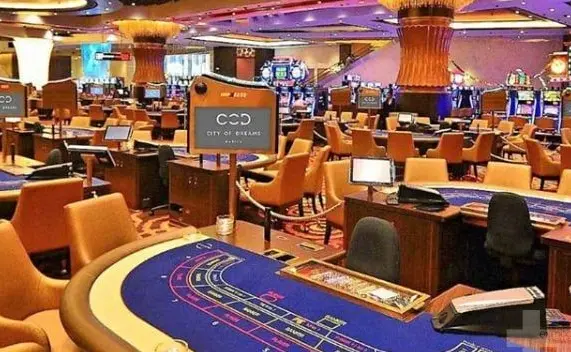
The Real Floor Numbers Nobody Advertises
Standard table minimums in Nepal cluster between NPR 100 and NPR 500 on blackjack, roulette, and baccarat during off-peak hours. Electronic gaming terminals drop lower — NPR 20 to NPR 50 per spin on slots and automated roulette — because the house absorbs variance through volume rather than per-hand margin. Foreign currency tables, however, flip the script entirely: USD 5 or USD 10 equivalents become the entry gate, and the table minimum is recalculated daily against the exchange spread. That spread is where the house quietly taxes you before a single card is dealt. 🎲
Why the Minimum Bet Is a Liquidity Trap
Here is the mechanic most players miss. A low minimum bet is not generosity — it is a rake optimization strategy. Casinos in Nepal run thin margins on low-limit tables and compensate through side bet penetration, mandatory service charges, and time-based comp structures that push average wager size upward. The moment you sit at a NPR 100 table, the dealer's shuffle cadence and the pit boss's chip-runners are calibrated to accelerate hands per hour. More hands, more exposure, same minimum. The Nepal casino floor is engineered so the minimum bet functions as bait, not ceiling.

VIP Zones Invert the Entire Logic
Cross into the high-limit pit and the minimum bet jumps to NPR 10,000 or USD 100 equivalent, but the real change is structural: hand-dealt shoes, dedicated dealers, and discretionary bet spreads that let whales manipulate table dynamics. The minimum there is a filter, not a price. Audit any Nepali property and you will find the gap between public floor minimums and VIP thresholds is intentionally disproportionate — a gap designed to segment bankroll tiers and protect the house's exposure ceiling. 🃏
Regulatory Caps and Machine Floors
Licensed operators must publish floor minimums under Department of Tourism gaming regulations, yet enforcement focuses on maximum loss limits rather than minimum wager transparency. Machine-based games bypass most of this because the RNG configuration sets the effective minimum, not the signage. A slot terminal showing NPR 10 minimum may actually enforce a 20-credit spin once bonus features lock in. Read the paytable firmware version before you trust the sticker — the divergence between advertised and enforced minimum bet on electronic floors routinely runs 40 to 60 percent. ⚠️
What the Minimum Bet Actually Costs You
Data from Kathmandu pit operations shows average realized wager per hand runs 2.3 to 3.1 times the posted minimum once side bets and progressive participation are included. That multiplier is the true cost of entry. The minimum bet is a psychological anchor, and the floor layout, chip denominations, and dealer prompting are all tuned to drag your average stake above it. If you want to survive a Nepali casino floor, treat the posted minimum as a starting bid, never as your operating number.